
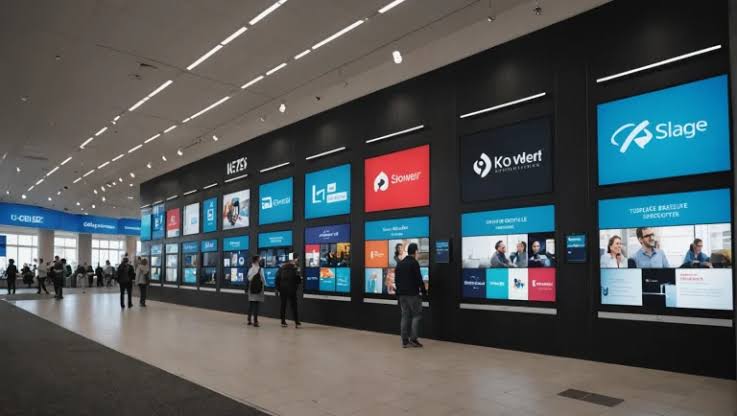
Most purchase decisions are made in the final few metres before the till, not weeks in advance, and this is exactly where digital signage solutions do their best work. A shopper standing at a shelf edge or queuing at a counter is already deciding, and a screen showing the right offer at that exact moment catches a decision in progress rather than trying to create one from scratch. That single fact, decisions happen late and close to the point of purchase, is the entire logic behind why retail digital signage consistently outperforms printed posters placed in the same spot.
This is not a theory retailers take on faith. Businesses that have moved promotional content from static shelf talkers to digital signage solutions routinely report customers picking up deals they would otherwise have walked past. The screen is not selling something new, it is simply catching attention at the one moment attention is already switched on.
Why the Point of Decision Matters More Than the Point of Entry
A lot of marketing budget still goes toward getting a customer through the door, yet the actual buying decision usually happens much later, at the shelf, the counter, or the till point. Digital signage solutions placed at these final moments influence a decision that is still open, rather than competing for attention earlier in a visit when a customer’s mind is on browsing rather than buying. Retail digital signage works because it meets the customer exactly where the decision is still being made.
Seven Ways Digital Signage Solutions Influence the Point of Decision
-
Bundle Offers Appear Exactly When They Are Useful
A screen showing “add a coffee for £1” right next to the pastry counter reaches a customer at the only moment that offer actually makes sense to them. Retail digital signage placed away from that decision point loses most of its effect, no matter how good the offer is.
-
Limited Stock Messaging Creates Genuine Urgency
Digital signage solutions connected to live stock data can show “only 4 left” in a way a printed sign never can, because the number is actually true at that moment. Customers respond differently to urgency they can trust than to a permanent “limited stock” sign that has said the same thing for six months.
-
Daily Specials Rotate Without Any Manual Effort
A digital signage solution can automatically show a different special at breakfast, lunch, and evening, catching each customer with something genuinely relevant to the time they are shopping, rather than one static offer running all day regardless of relevance.
-
Cross-Sell Prompts Work Without Needing a Staff Member Present
Retail digital signage near a till point can suggest a complementary product the moment a customer is already reaching for their wallet, doing the job of an attentive member of staff even during the busiest periods when nobody is free to make that suggestion in person.
-
Price Comparisons Reinforce Value at the Moment of Doubt
Many customers hesitate right at the point of decision, weighing up whether an item is worth it. A screen showing a clear before-and-after price, or a simple value comparison, can resolve that hesitation in the customer’s favour, right when it matters.
-
Countdown Timers Push Genuinely Undecided Customers to Act
A digital signage solution showing “offer ends in 20 minutes” creates a natural nudge for someone who was already close to buying but had not quite committed. This works far better on a live screen than on a poster with no sense of real time attached to it.
-
Seasonal and Weather-Triggered Offers Stay Relevant All Day
Retail digital signage that adjusts based on time of day or even live weather data keeps the point-of-decision message relevant hour to hour, something a fixed poster simply cannot do without someone physically changing it.
Getting the Placement Right
The content on a digital signage solution matters less than most businesses assume, placement matters more. A brilliant offer shown somewhere a customer has already finished deciding will underperform a mediocre offer shown at the actual point of decision. Retailers seeing the strongest results from retail digital signage tend to audit where customers actually pause and think, rather than defaulting to wherever a screen happens to fit on the wall.
Starting Small Before Scaling Up
Most businesses get the best results from digital signage solutions by proving the idea on one screen or one site before rolling it out everywhere at once. A focused first attempt, reviewed honestly after a few weeks, tends to surface the small adjustments worth making before a wider rollout, whether that is a change in placement, timing, or the specific offer being shown.
Trying to perfect every element from day one is a common and avoidable mistake. A simple first version that actually gets tested against real customers will teach a business more in a month than weeks spent planning a flawless version that never gets switched on.
Businesses that track results properly, comparing sales before and after a change in point-of-decision signage, tend to make far better placement decisions on the second and third attempt than those relying on impression alone.
A Few Final Thoughts
The point of decision is a narrow window, often just a few seconds, and digital signage solutions exist to make the most of that window rather than to decorate the space around it. Retail digital signage that shows the right message, in the right place, at the moment a customer is genuinely deciding, consistently converts better than the same message shown earlier or later in the visit. That timing, not the design of the screen itself, is usually what separates signage that pays for itself from signage that simply looks nice.
If you want to work out where your busiest decision points actually are, the team at MRG Systems is happy to walk through it with you.
Ready to find your busiest decision points and put a screen there?
MRG Systems has been helping businesses find the right digital signage solution since 1983.
Call: +44 (0)1453 820840 | Email: hello@mrgsystems.co.uk | Visit: www.mrgsystems.co.uk
Frequently Asked Questions
Does digital signage really increase impulse purchases?
Yes. Retailers that move promotional content to digital signage solutions at the point of decision commonly report customers picking up offers they would have walked past on a printed sign.
Where should point-of-decision screens be placed in a shop?
The most effective spots are wherever customers naturally pause to decide, such as shelf edges, till points, and queue areas, rather than entrances where customers are still browsing.
Can retail digital signage show different offers throughout the day?
Yes. Digital signage solutions can automatically switch content based on time of day, so breakfast, lunch, and evening customers each see something relevant to them.
Do point-of-decision screens need to be connected to stock data to work?
They do not need to be, but connecting them to live stock data allows accurate urgency messaging, such as low stock alerts, which tends to perform better than generic messaging.
Is point-of-decision signage only useful in large stores?
No. Even a single well-placed screen at a till point or counter in a small shop can influence a meaningful share of daily purchase decisions.
What is the easiest way to start with point-of-decision signage?
Most businesses start with a single screen at their busiest till point or shelf edge, testing one offer before expanding to other locations in the store.
Is it worth tracking results before and after a signage change?
Yes. Comparing sales data before and after a change in point-of-decision signage helps a business make better placement decisions going forward.