
The debate between digital signage vs traditional advertising isn’t really a debate anymore at least not in most business environments. But understanding exactly where the differences lie, and where each approach still has value, helps you make a smarter decision about where to invest.
Both approaches aim to communicate a message to an audience. The difference is in almost everything else: how quickly the message can change, how much it costs over time, how much attention it actually receives, and what you can do with it once it’s running.
What Traditional Advertising Looks Like in Practice
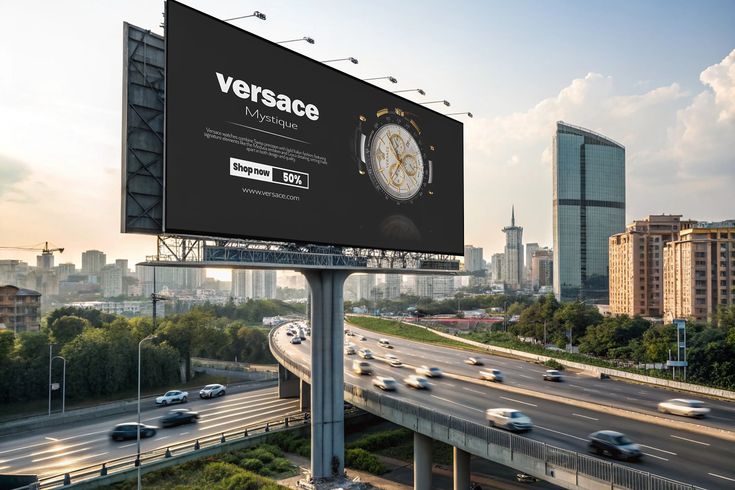
In a business context, traditional advertising means physical materials printed posters, banners, window stickers, point-of-sale displays, menu boards, flyers. It also extends to outdoor billboards, print publications, and broadcast media. The defining characteristic of all of it is that once it’s produced, it’s fixed. A printed poster communicates one message until someone physically replaces it.
That permanence used to be considered a feature. In a business environment where promotions change monthly, pricing updates weekly, and customer attention is competed for constantly, it’s become a significant constraint.
What Digital Signage Actually Is
Digital signage refers to screen-based display systems that show dynamic, changeable content. A digital advertising screen in a retail environment might display a morning promotion, switch to a lunchtime deal, show brand content in the afternoon, and close the evening with an event reminder all without anyone touching the screen.
The content is managed through software, usually cloud-based. Which means you, or anyone you designate, can update what’s showing from a laptop or phone, from anywhere, at any time. That’s a fundamentally different relationship with your own communication.
Where the Real Differences Lie
Speed and Flexibility
Changing a traditional advertisement involves a chain of steps: brief the designer, approve the artwork, place a print order, wait for delivery, physically replace the current display. In a fast-moving retail or hospitality environment, that process takes days. Sometimes longer.
With digital signage, the same update takes minutes. A promotion can be live on every screen in every location almost immediately. For businesses that need to react quickly to a competitor’s pricing, to a stock change, to a weather-driven promotion opportunity that speed is commercially significant.
Cost Over Time
This is where the comparison is most commonly misunderstood. Traditional advertising looks cheaper upfront because a batch of printed posters costs less than display screens and software. But that comparison ignores what happens next.
Every time a printed promotion needs to change, the cost resets. Design, print, and distribution fees apply again. For a business running monthly or seasonal campaigns, those costs accumulate rapidly over the course of a year. Digital signage carries a higher initial investment but near-zero ongoing cost for content changes. Over two to three years, the total cost of ownership usually favours digital advertising screens considerably.
Attention and Visual Impact
Static printed materials fade into the environment over time. Customers who pass the same poster on every visit stop registering it their brains filter it out as familiar background noise. Digital screens, with their movement, brightness, and rotating content, continue to register as new and worth a look.
Research in retail environments consistently shows that digital displays attract significantly more dwell time than equivalent printed materials in the same location. In environments where customer attention drives purchasing decisions, that gap in impact matters.
Relevance and Timing
Traditional advertising shows the same message to everyone who passes it, at all hours, on all days, regardless of whether the message is relevant to that audience at that moment. There’s no mechanism for adjusting based on time, circumstances, or audience composition.
Smart advertising displays allow businesses to schedule different content for different times. A shopping centre can run children’s entertainment promotions on Saturday mornings and corporate lunch offers on weekday afternoons. A pharmacy can show seasonal health advice in January and hay fever products in May. This level of contextual relevance isn’t achievable with static materials.
Sustainability
Printed materials generate waste. When a campaign ends, the posters, banners, and point-of-sale displays are discarded. For businesses running multiple campaigns a year, this waste adds up in both environmental and financial terms. Digital signage produces no physical waste from content changes the same screens are reused indefinitely, with only the on-screen content changing.
When Does Traditional Advertising Still Make Sense?
It would be an overstatement to say traditional materials are obsolete. Large-format outdoor billboard campaigns, print advertising in trade publications, and physical flyer distribution for local events all still have appropriate use cases.
The most effective approach for many businesses is a combination: digital screens for all in-store and on-premises communication, and selected traditional formats for specific external campaigns where physical presence genuinely adds value.
Making the Transition
MRG Systems has been helping businesses make the move from traditional printed materials to modern digital signage since 1983. With experience across retail, hospitality, healthcare, and corporate environments, the team can help you identify where digital advertising screens will have the most impact and plan a transition that fits your business.
Contact MRG Systems today to start the conversation.
Frequently Asked Questions
Is digital signage more expensive than printed advertising?
Upfront costs are higher, but total cost of ownership over two to three years typically favours digital signage because content changes carry no additional print or distribution expense once the screens are in place.
Can digital signage and traditional advertising work together?
Yes. Most businesses find value in using digital screens for in-store communication and selected traditional formats outdoor billboards, print media for specific external campaigns.
How quickly can digital signage content be updated?
Typically within a few minutes using a cloud-based management platform, from any internet-connected device.
Does digital signage produce less waste than printed advertising?
Yes. Content changes require no physical materials, eliminating the ongoing waste associated with expired printed displays and discarded campaign materials.
Which industries benefit most from switching to digital signage?
Retail, food service, hospitality, healthcare, and corporate environments consistently see the strongest results from replacing printed in-venue materials with dynamic digital displays.